[ad_1]
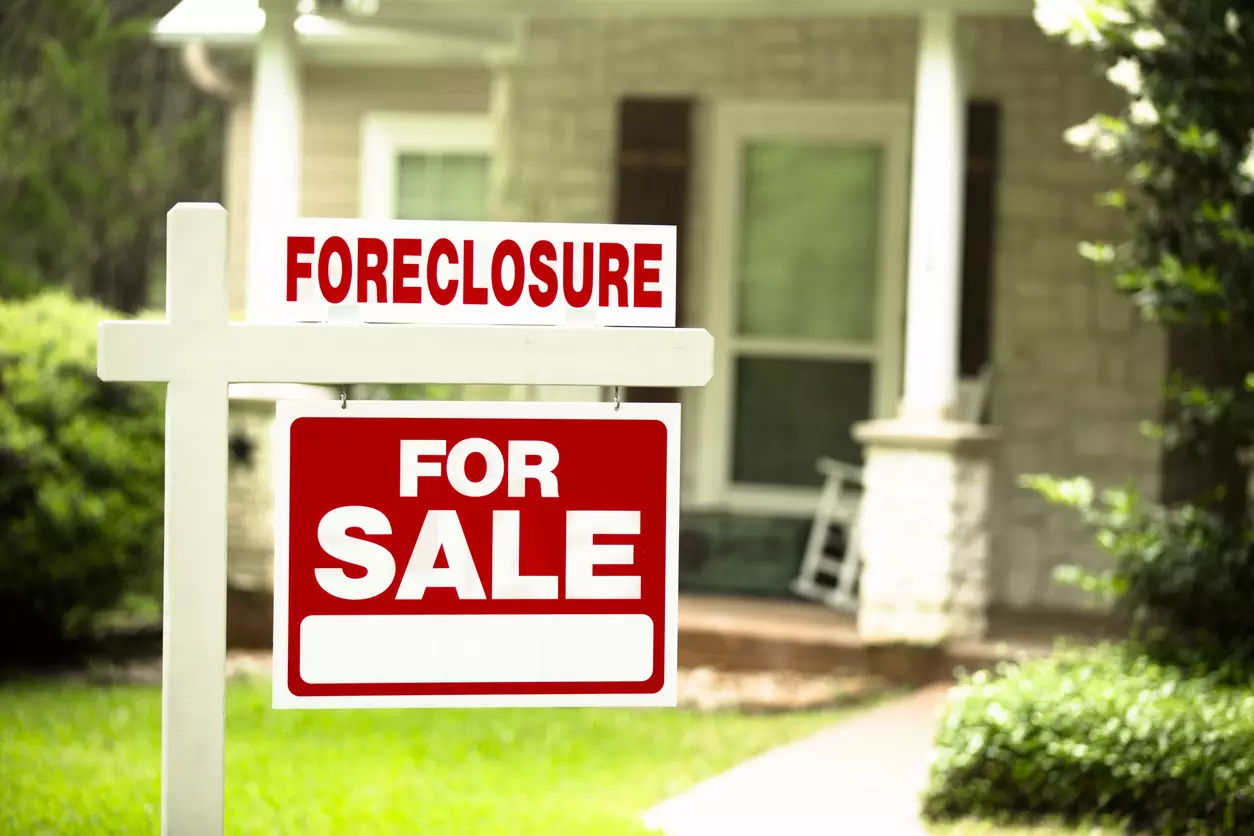
U.S. single-family home builder confidence fell for the 12th straight month in December, as the race to provide incentives for potential buyers in today’s high-inflation, high-interest rate environment failed to boost traffic and increase sales. failed.
Kickstarting a week of major reports on the health of the US housing market, the National Association of Home Builders said on Monday that its NAHB/Wells Fargo housing market index fell two points this month to 31, below the average estimate of 34 among economists in a Reuters poll. A reading above 50 indicates that more builders rate conditions as good rather than bad.
With the exception of a short-term decline during the spring of 2020 when the country was under lockdown during the first wave of COVID-19, the December reading was the lowest recorded since June 2012. Moreover, the decline is the longest since last December. In a series from the mid-1980s.
The housing market has by far seen the most obvious effects of aggressive Federal Reserve interest rate hikes aimed at reducing inflation, which continues to be unacceptably high. Interest rates on the most popular type of US home loan hit 7% in October – the highest since 2001 – and sales of new and existing homes plunged more than 30% from January to October.
Since March, the US central bank has raised its benchmark policy rate from almost zero to a range of 4.25%-4.50%. It indicated in its policy meeting last week that rate hikes will continue into next year until it is fully convinced that inflation will decline from the four-decade high touched in mid-2022 to an annual rate of 2%. is returning to the target level of
The NAHB said nearly two-thirds of builders were offering incentives including mortgage rate buyouts, pay points for buyers and price reductions. While the percentage of actual price cuts fell marginally to 35%, the average discount offered increased from between 5% and 6% over the year to 8%.
‘Silver Lining’
However, there were some signs that the slump in builder confidence is tapering off, as a gauge of sales expectations over the next six months rose four points to 35.
“The silver lining in this HMI report is that this is the smallest decline in the index in the last six months, indicating that we are likely nearing the bottom of the cycle of builder sentiment,” said Robert Dietz, NAHB chief economist. “Mortgage rates have eased from under 7% in recent weeks to about 6.3% today, and for the first time since April, builders have reported a rise in future sales expectations.”
Outside economists also see a decline in sales, partly due to builder incentives and the recent drop in mortgage rates.
“Cutting prices and other incentives should help address the home affordability gap and help keep some of the floor under new home sales,” wrote Matthew Martin, a US economist at Oxford Economics. “The latest drop in mortgage rates – if it holds – will also improve affordability on margin.”
Meanwhile, the NAHB survey’s measure of existing selling conditions fell three points to 36. The component measuring traffic of potential buyers was unchanged at 20.
More key housing market data is due this week, expected to show continued weakness across the sector.
On Tuesday the government will publish figures for November for the number of new homes starting construction and the amount of permits being issued for new housing projects, both of which have declined sharply this year.
“A reading below 50 for the HMI points to ongoing weakness in single-family housing,” said Oxford’s Martin.
Both starts and permits are projected to decline further last month.
On Wednesday the National Association of Realtors (NAR) will report on existing home sales for the past month, whose sales rate is expected to be the lowest since 2011 outside of the pandemic’s downturn. NAR projected last week that sales would continue to fall into the next year.
Finally, on Friday the government will report new home sales for November. There is also a possibility of his falling.
[ad_2]
Source link