[ad_1]
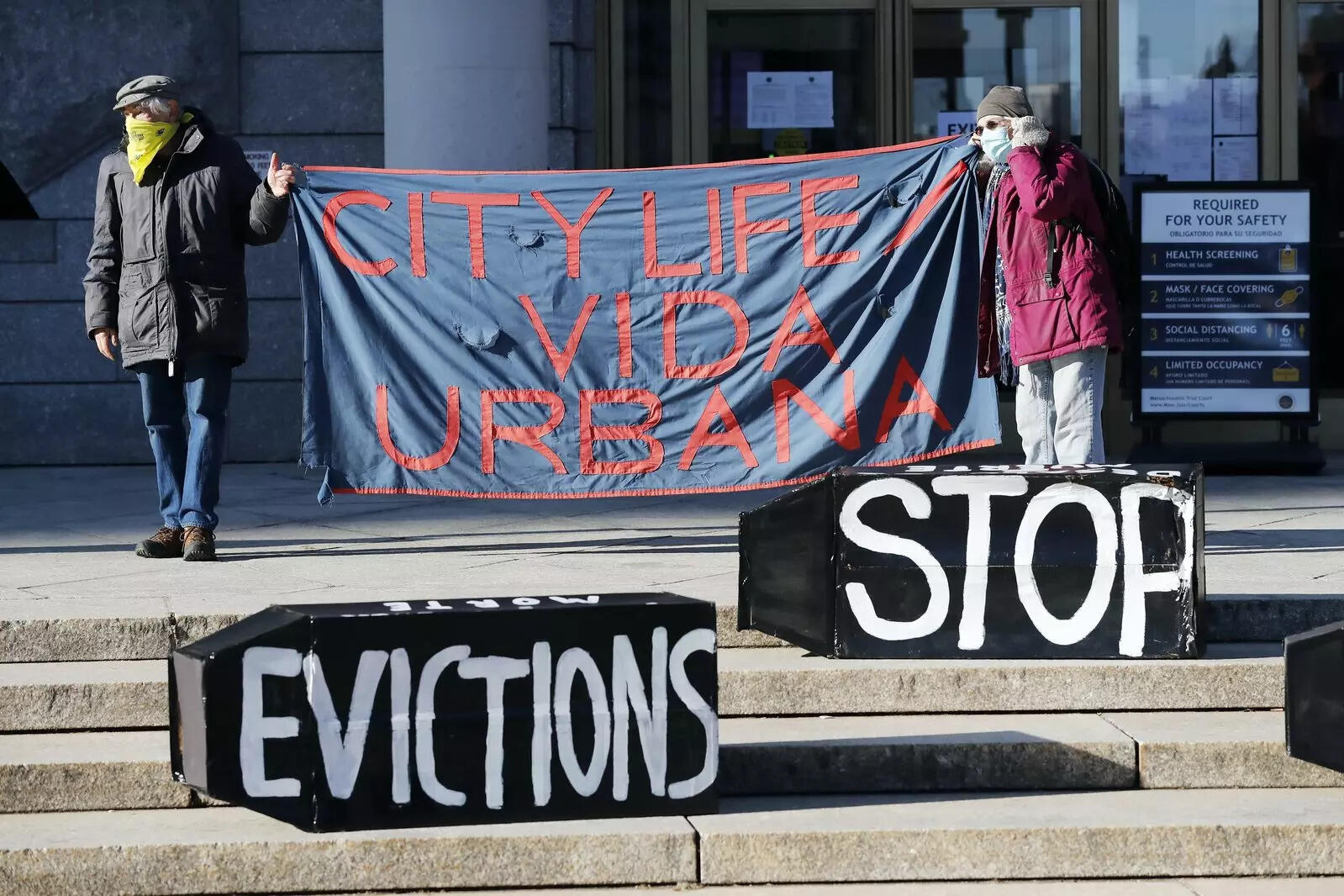
boston: The Boston City Council A proposal to cap rent prices received overwhelming approval from the mayor on Wednesday in an effort to address rising housing costs and prevent homelessness.
under mayor michelle wuThe proposal, known as the Home Rule Petition, would cap the maximum allowable annual rent increase at 6% based on changes in the Consumer Price Index, or a maximum increase of 10% – whichever is less. This measure also provides other rental protections, requiring that the eviction be for a reason such as nonpayment of rent.
“This is a monumental act for the city of Boston,” said the city councilman. Ricardo Arroyowho supported the motion. “I commend the mayor for moving forward with a rent stabilization plan that addresses the ongoing and long-standing issue of pricing and renting and displacement of residents of the City of Boston.”
Several council members said they were moved by past testimony from tenants who were facing rent increases of more than 100% in some areas. Many also spoke of receiving calls from residents who complained about significant rent increases they could not afford and felt the proposal would be crucial in giving stability to these families.
According to real estate company Zillow, the Boston metro area is the fifth most expensive metro area in the country. Typical rents in Boston are up 8.1% over the past year.
“Boston is becoming increasingly out of reach for most of our senior citizens, immigrant populations, families and individuals,” said City Councilwoman Gabriela Coletta. “Bad actors who take advantage of a booming rental market and price gouging in ways that are displacing hard working individuals who just want to be able to live in this city and contribute to the local economy want.”
The proposal would also exempt owner-occupied properties with six units or fewer — including the three-family homes that dot the city’s neighborhoods. Any new apartment building constructed during the first 15 years after the occupation certificate is issued will also be exempted.
Modeled after measures in California and Oregon, the push for rent controls in Boston is part of a growing trend across the country. Driven by a lack of affordable housing and rising rental prices, advocates nationwide state that rent reform is the best short-term solution to the problem.
Similar proposals aimed at stabilizing rents were approved by voters in Portland, Maine, and Richmond and Santa Monica in California in November. And on Tuesday, voters in two Vermont communities passed resolutions to protect tenants from eviction for no reason. In the City of Winooski, charter change will give city council authority to provide ordinance protections residential Tenants from eviction without any reason. Essex passed a similar measure. Both charter changes have to be approved by the Legislature and the Governor in order to occur.
Opponents, led by the real-estate industry, say rent controls will lead to higher prices for renters in housing that is not covered by rent caps, to parent landlords who rely on rental income for retirement. harm and discourage the construction of badly needed affordable housing. , He has spent heavily to block ballot initiatives, even going so far as to go to court to stop them.
City Councilman Frank Baker said, “We’re leaving behind an industry that created generational wealth for the middle class in Boston. It’s not easy being a landlord – especially a small landlord.” Resisting bureaucracy and persuading landlords to stop repairing their buildings.
Greg Vasile, CEO of the Greater Boston Real Estate Board, said he was “disappointed but not totally surprised” by the council vote. They are now planning to take their case to state lawmakers. The proposal still must be approved by the state legislature as voters in Massachusetts approved a 1994 ballot question to ban statewide rent controls.
“We look forward to promoting pro-housing policies focused on reducing red tape, added costs and regulatory burdens while increasing production as a way of overcoming the state’s affordability crisis.” Vasil said in a statement.
Wu said she welcomed the opportunity to present her case to state lawmakers, arguing that the constituents she hears from are no different from those represented by state lawmakers.
“We hear from all the same families who are struggling to hang on in the city as prices go up at the grocery store, prices go up at the pump, as housing and rent go up,” she said. “We want everyone to know that this cannot stand for Boston. We cannot be a place where people are forced out of the communities they want to continue to contribute to.”
[ad_2]
Source link