[ad_1]
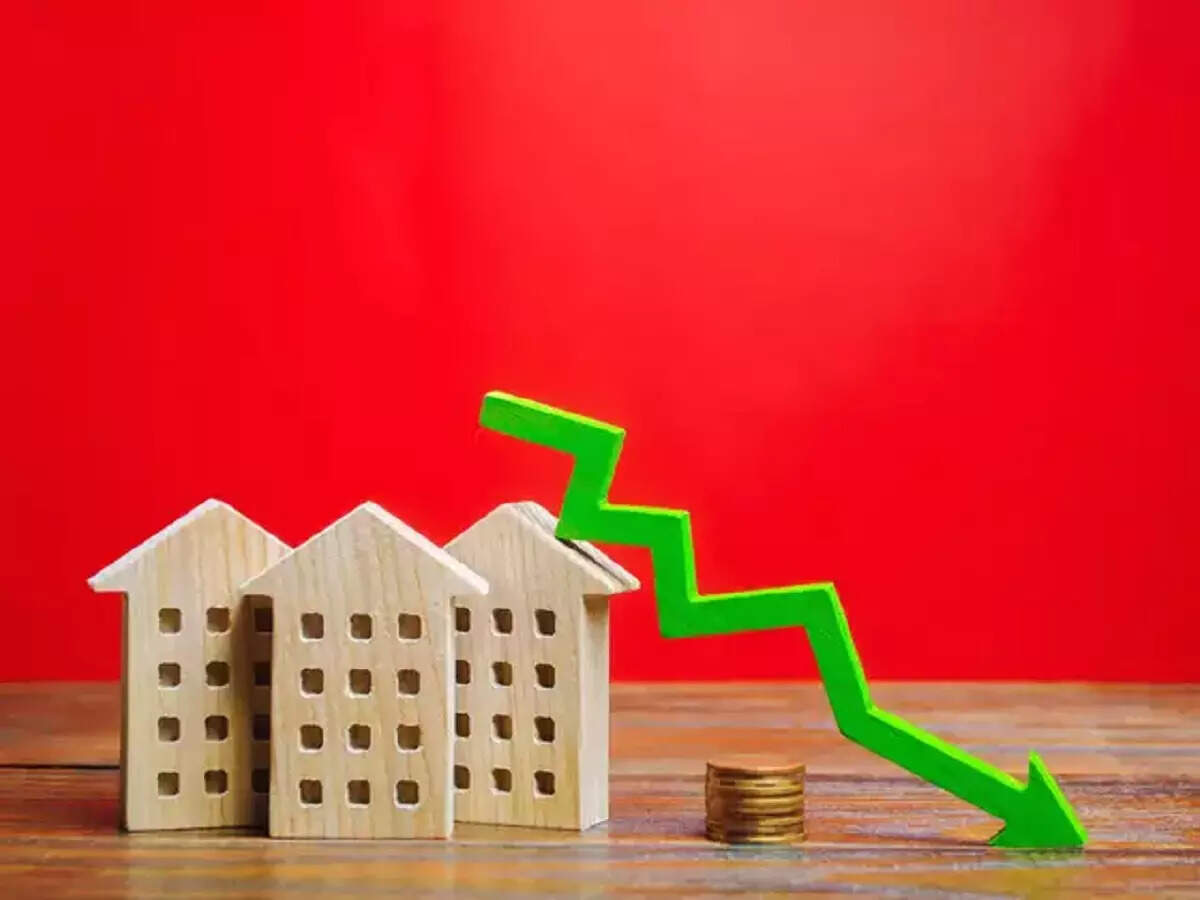
LONDON: British house prices fell 0.6% more than expected in January and are now 3.2% lower than their peak in August, mortgage lender Nationwide Building Society said on Wednesday.
The January drop in home prices was the fourth decline in a row – the longest unbroken sequence of declines since 2009 – and the decline was twice the size expected in a Reuters poll of economists, indicating the market is slowing faster. Is.
Prices in the three months to January were 2.3% lower than in the previous three months, the largest decline in the three months to April 2009.
Interest rates have risen sharply since December 2021 and there was major disruption to the mortgage market in late September and October after former prime minister Liz Trusss “mini budget”, which raised market interest rates.
“It will be difficult for markets to gain much momentum in the near term as economic headwinds remain strong, real earnings are likely to decline further and the labor market is forecast to weaken broadly,” said Robert, Nationwide’s chief economist. Gardner said.
Nationwide forecast in December that home prices would decline by 5% in 2023.
Home prices in January were 1.1% higher than a year earlier, Nationwide said, the smallest year-over-year increase since June 2020 and down from a 2.8% increase in December. Economists polled by Reuters had expected a 1.9% rise.
British house prices rose by more than a quarter during the COVID-19 pandemic, fueled by ultra-low interest rates, tax incentives and demand for more living space during lockdowns that were also seen in other Western countries.
However, the boom has now turned upside down due to disruption in lending since the mini-budget.
The Bank of England reported on Tuesday that the number of mortgages approved in December fell to the lowest since the global financial crisis, barring the onset of the COVID-19 pandemic when there were strict lockdown restrictions.
Gardner said the drop reflected a drop in mortgage applications after the mini-budget, and that it was too soon to know whether home purchase volumes would improve.
While lenders are now more willing to offer mortgages than mini-budgets, the BoE has steadily raised interest rates, and is expected on Thursday to raise its key rate by half a percentage point to 4%, the lowest since 2008. highest since.
[ad_2]
Source link